19
th
Annual ENETS Conference| 10 – 11 March 2022
Patient characteristics
Primary endpoint - toxicity
Twelve pts were enrolled as planned
50% were male
Median age was 66 years (range 47 – 79)
Primary sites:
7 small bowel, 3 pancreas, 1 caecal, 1
unknown (likely pancreas)
Grade:
Gd1 = 5, Gd2 = 7
All patients had received SSA and 11 had
received PRRT as part of previous therapy
All patients had symptomatic, progressive
disease
Median CgA was 1585 µg/L (range 35 – 10370)
at baseline
4 patients had more than one dose (range 2-4)
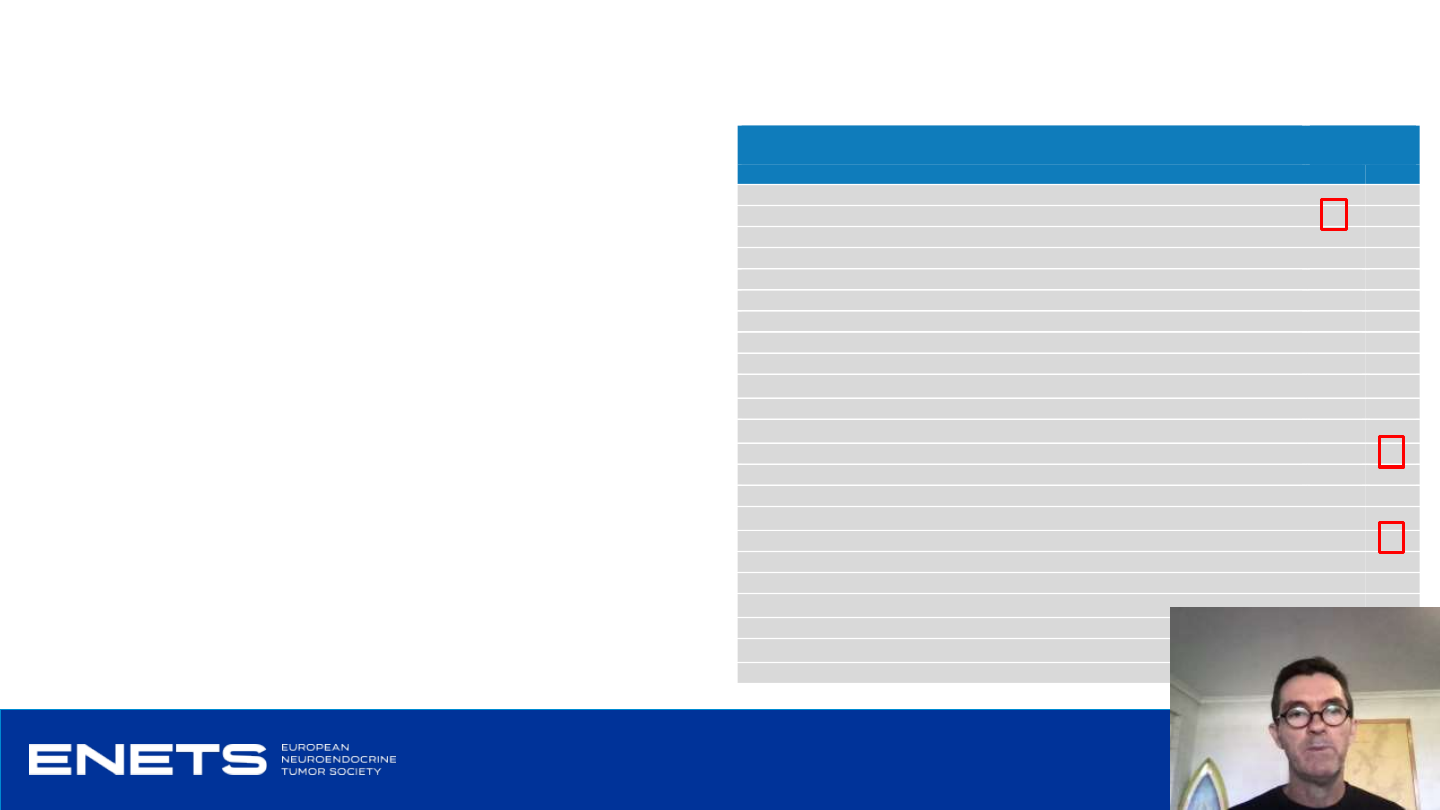
Table 1. Treatment-Emergent Adverse Events
(Phase 1 Safety Population, N = 12, Data Cutoff 16 Feb 2022) (updated 17 Feb 2022)
Treatment-Emergent Adverse Events (TEAEs)
TEAEs Related
to PV-10
(Phase 1 Safety Population, N = 12)
All
≥ G3
GENERAL DISORDERS AND ADMINISTRATION SITE CONDITIONS
Injection site pain
9
0
Flushing
4
0
Anorexia
1
0
Fatigue
1
0
Pyrexia
1
0
GASTROINTESTINAL DISORDERS
Faeces discoloured
5
0
Nausea
1
0
RENAL AND URINARY DISORDERS
Chromaturia
5
0
SKIN AND SUBCUTANEOUS TISSUE DISORDERS
Photosensitivity reaction
1
1
Purpura
1
0
Rash
1
0
INVESTIGATIONS
Transaminases increased
2
1
Blood bilirubin increased
1
0
Blood creatinine increased
1
0
NEOPLASMS BENIGN, MALIGNANT AND UNSPECIFIED (INCL CYSTS AND POLYPS)
Carcinoid syndrome
2
0
INJURY, POISONING AND PROCEDURAL COMPLICATIONS
Contusion
1
0
AEs coded using MedDRA v24.0 for system organ class (SOC) and preferred term (PT).
Subjects with more than one occurrence of the same AE are counted once based on maximum severity.
All AEs deemed at least possibly related to PV-10 were Grade 1 or 2 except for single subjects experiencing Grade 3
photosensitivity reaction and transaminases increased.
No subjects discontinued study participation due to a TEAE.